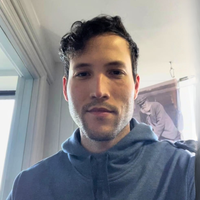
Gerardo took a gap year to work and explore his options before deciding to study a Masters degree at the University of Dundee
What did you do before deciding to take a gap year?
I was completing my undergraduate degree in strategic marketing. The moment I finished, rather than rushing straight into the next chapter, I decided to pause. That pause became one of the most defining periods of my life.
What made you choose a gap year?
I wasn't entirely sure what I wanted to do next, or whether I was qualified enough to do it. I think uncertainty is something many graduates feel but don't always admit.
For me, it felt more honest and more productive to acknowledge it and use the time to address these feelings, rather than making a rushed decision I might regret.
What did you do during your gap year?
It was a mix of experiences and dedicating time to developing new skills. Activities included:
completing online courses
taking on freelance work
travelling.
Every week brought something different, which kept me motivated and engaged throughout.
How did it fit around your long-term goals?
My main goal was to work on my profile and become more competitive. So, I threw myself into learning and took courses across:
design
finance
marketing.
That period of exploration was also when I made one of the biggest decisions of my life: I decided I wanted to pursue a Masters degree. The gap year gave me the headspace to:
find my direction
set clear goals
start working towards my future.
What was a typical day like for you?
I liked to start my days early, usually with a gym session or a run to set the right tone. Then I would work through courses or freelance projects before taking a proper lunch break.
Afternoons were often spent researching topics I wanted to understand more deeply. My days were not rigidly structured, particularly when I was travelling, and that balance between discipline and flexibility suited me well.
How did you fund your gap year?
I funded it through a combination of freelance work and my parents' support. Taking on freelance gigs not only helped financially but also gave me real-world experience and kept me professionally sharp during a period that could have easily become stagnant.
What were the biggest challenges you faced during your gap year?
It was the feeling that I was falling behind. That feeling is very real, and I won't pretend it wasn't there. But I kept reminding myself that this was part of a bigger picture and that everything would fall into place. Trusting the process, even when it felt uncomfortable, was the most important thing I did that year.
What skills did you develop during your gap year?
The range was broad and deliberate, resulting in a:
deepened understanding of strategic planning and marketing
greater knowledge of investing and personal finance
strong foundation in design from colour theory to visual design.
I was building a toolkit that I knew would serve me regardless of which direction my career took.
How has your gap year influenced your career plans or study choices?
It influenced everything - it was during my gap year that I decided to pursue a Masters degree, a choice that has shaped my life and career ever since.
Today I work across two roles I am passionate about, and that journey started with the decision to take a year and figure things out.
Are there any common misconceptions about gap years you'd like to challenge?
The biggest misconception is that a gap year is simply time wasted. Sometimes a break is exactly what you need to:
clarify your goals
organise your thoughts
ultimately go further than you would have if you had rushed ahead.
What advice would you give to someone considering a gap year?
Take it. A gap year is a genuinely valuable opportunity to discover yourself, your strengths, interests, and what you actually want from life.
Use the time with intention, stay curious, and don't let the fear of falling behind stop you from doing something that could change your trajectory entirely. It changed mine.