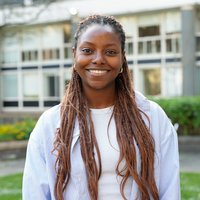
Why did you decide to pursue Doctoral research at Brighton? How does it fit in with your career plans?
Doing a PhD wasn't always part of my plan. After finishing my undergraduate degree, I went into my Masters quite unsure about what direction I wanted my career to go in. At the time, I was mainly focused on getting a stable job and gaining experience.
But during my Masters, something shifted. I really connected with the course, my tutors, and the research side of marketing in a way I didn't expect. I started enjoying asking deeper questions about brands, culture, and consumer behaviour rather than just looking at marketing from a surface level.
Brighton became a place where I felt encouraged to explore ideas that felt personal, and it gave me the confidence to think seriously about Doctoral research.
How did you choose your PhD supervisors?
Choosing my supervisors felt quite easy because I had already worked with them during my marketing course. They had taught me at Masters level, so we had already built a positive working relationship, and they understood both my academic interests and the way I approach research.
What particularly drew me to them was that their expertise closely aligned with my research area, especially in:
- branding
- consumer behaviour
- consumer marketing.
Since my PhD explores luxury branding, identity, and consumer experiences, it was important to have supervisors who could guide me both theoretically and practically.
I also valued how supportive they were during my Masters. They challenged me academically, but they also created an environment where I felt comfortable exploring ideas rooted in my lived experiences. That support played a huge role in giving me the confidence to pursue this research further.
What was the application process like, including writing your research proposal?
The application process felt exciting but intense at times, especially when writing the research proposal. What helped was that I already had a clear idea of what I wanted to research from my Masters dissertation, where I explored conversations around luxury, identity, and belonging, particularly how Black women experience luxury-branded spaces.
The more I researched the topic, the more I realised there was very limited academic work in this area, especially around experiential luxury spaces like cafés. That made me feel there was an important gap I wanted to contribute to, and because the topic was closely connected to both my academic interests and lived experiences, the proposal felt both personal and academic.
Although refining the idea into a structured proposal was challenging, the process taught me that you don't need to have everything perfectly figured out before applying. What matters most is having a strong idea, curiosity, and genuine passion for the research.
How are you funding your postgraduate study?
I'm currently self-funding my postgraduate study while also exploring scholarships, funding opportunities, and professional development programmes alongside my research journey.
Tell us a bit about the PhD and what it involves, including details of your research.
My research examines how Black women in the UK experience luxury-branded cafés and how ideas of identity, belonging, and exclusivity play out in those settings.
I'm particularly interested in how luxury brands, which have traditionally been built on exclusivity, are now creating more accessible entry points through experiences like cafés. On the surface, these spaces can feel more inclusive, but I want to explore whether that inclusivity is genuinely experienced by everyone.
The research involves qualitative methods such as focus groups and digital netnography, which means I'll be spending time listening to people's experiences, conversations, and perceptions. What excites me most is the opportunity to centre voices that are often overlooked within both academia and the luxury industry.
How have the marketing roles you've taken on helped to shape your research direction?
Before starting my Doctorate, I had just completed my MSc. Alongside my studies, I was also building experience in marketing roles across Brighton, which gave me a practical perspective alongside the theory I was learning.
I started as a marketing executive at Magenta Associates, where I worked on PR campaigns and client projects, and later became a marketing assistant at Shelter Hall. That role was particularly exciting because it was very hands-on, with work on:
- day-to-day marketing
- events
- social content.
Balancing both work and study was challenging at times, but it really shaped how I think about marketing, especially the importance of creating experiences that connect with people. Those experiences also made me think more critically about who brands are speaking to, who feels included in those spaces, and how atmosphere and branding shape people's experiences.
How does research life differ from that of a Masters student?
The biggest difference is the level of independence. During a Masters, there's more structure with:
- assignments
- deadlines
- taught modules.
With a PhD, you're really leading your own project and constantly shaping the direction of the research yourself.
It's also a lot more reflective. You spend time reading deeply, questioning ideas, refining your thinking, and sometimes sitting with uncertainty for quite a while. It can feel challenging, but it's also really rewarding because you're contributing something original to your field.
What employability initiatives have you been involved with, and what skills did you develop?
Alongside my studies, I've taken part in a range of employability opportunities, including:
- ambassadorial roles
- marketing internships
- networking events
- research presentation opportunities.
Overall, these experiences helped me develop skills in:
- communication
- creative thinking
- leadership
- presentation
- teamwork.
What has been the highlight of your career journey so far?
One highlight was winning the People's Prize at the Three Minute Thesis competition during Brighton's Research and Knowledge Exchange Festival. That experience really strengthened my confidence in public speaking and taught me how to communicate complex research in a way that feels engaging and accessible.
It also reminded me that research can connect with people emotionally as well as academically. Seeing people engage with my work and understand why these conversations matter felt incredibly rewarding.
What are your plans after completing your PhD?
After completing my PhD, I'd love to build a career that combines academia and consultancy. I'd like to collaborate with brands and organisations on conversations around:
- consumer experience
- culture
- identity
- inclusivity
- luxury.
I'm also really interested in teaching, mentoring, public speaking, and creating research that bridges the gap between academia and industry in a way that feels accessible and impactful.
What tips would you give to others interested in studying for a PhD?
- Choose a topic you genuinely care about. You'll spend years researching it, and passion really helps during difficult moments.
- Don't be intimidated by the idea of not knowing everything. A PhD is about learning, developing, and refining your ideas over time.
- Believe that your perspective and experiences are valuable. Sometimes the most meaningful research comes from the questions that feel personal to you.
Find out more